
REVENUE · CAPEX · LABOR · RISK
Resort revenue optimization and poolside ROI for premium seating
LounGenie supports higher premium seat yield through in-seat service, clearer guest convenience, and phased rollout tied to on-deck proof.
Partnership programs can limit upfront hardware exposure; economics may include a per-rental fee on the order of ~$15 USD in typical marketing materials, with direct purchase also available—always per executed agreement.
Resort revenue optimization is not a single spreadsheet cell—it is the story of how premium rows attach guests to F&B, how service loops reclaim labor time, and how pilots earn the right to expand. Use this page with product detail and vertical solutions so finance, operations, and marketing share one vocabulary before you book a demo. Quantitative outcomes depend on your property and program—always per agreement. Ask practical questions early.
Book a DemoPartnership modelWhat finance hears first
Balance-sheet story: partnership paths that sequence pilots before scale, with expansion tied to on-deck proof—not a one-time hardware spike.
What operations defends
Service loops that reduce radio chatter and clarify Saturday priority—without a new command language every peak weekend.
What marketing sells
Sponsor-ready proximity and in-seat capture that photographs like the premium row you already merchandise—then backs it with reporting leadership can repeat.
Aligning stakeholders before the spreadsheet debate
Resort revenue optimization conversations fail when each department uses a different definition of success. Finance wants payback windows tied to audited categories; operations wants fewer exceptions on peak days; marketing wants premium row stories that match photography. Use product detail and vertical solutions to anchor vocabulary, then return here for how capture, sponsorship, and labor show up in the business case—still per agreement when numbers get serious. Bring assumptions from your POS and cabana rental history so the model reflects how guests actually behave—not a generic benchmark.
Revenue overview
LounGenie turns premium rows into operational revenue channels: stronger seat value, better F&B reach, and sponsor-ready inventory at the point of guest use.
Rollout can be phased by zone so expansion follows proven results. Teams get clearer service flow, better guest retention at the seat, and measurable capture by area.
Vertical context still matters: a city hotel deck behaves differently from a destination resort or a waterpark bowl. Use hospitality solutions by vertical to align vocabulary before you socialize numbers internally, then return here for how partnership and purchase paths are discussed at a high level.
Where the revenue comes from
Lounger and cabana yield
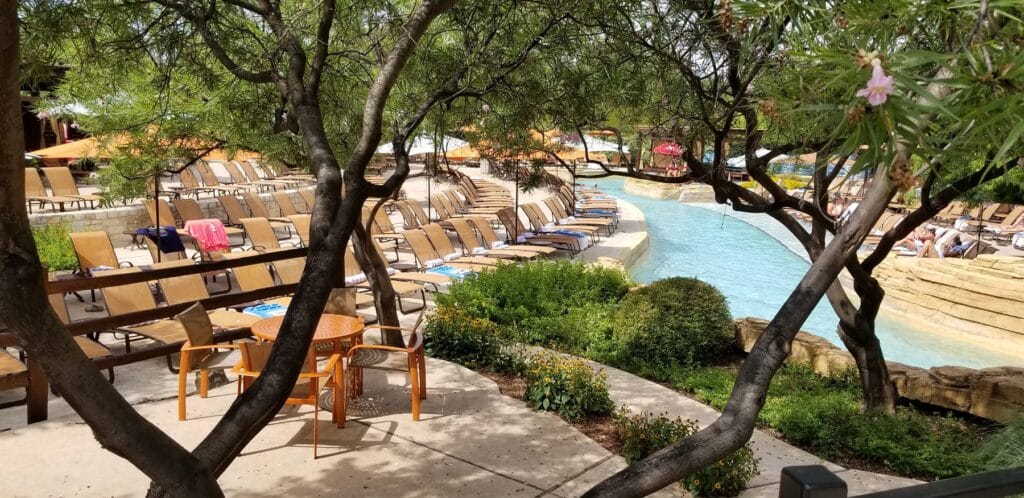
When guests can charge, store valuables, and request service without leaving the row, premium seating performance improves through longer dwell and stronger seat attachment.
Advertising and sponsorship
Sponsor-ready surfaces create premium proximity inventory that can adapt by property and season while keeping the deck experience on-brand.
Food and beverage upsells
In-seat ordering can reduce friction between guest intent and ticket conversion, helping F&B teams capture demand from premium rows more consistently.
Loss prevention and labor
Structured service alerts and secure storage help reduce avoidable interruptions so teams stay focused on guest service and revenue work.
Modeling tip: compare premium rows with and without in-seat capture before you average across the whole property—poolside ROI hides in the zones guests actually pay to access.
Partnership model with no upfront hardware cost
Partnership deployment aligns expansion with on-deck performance so operators can pilot, measure, and scale with lower upfront risk.
Commercial details are tailored during a working session with your operations and revenue stakeholders.
ROI summary
• Model revenue by seating zone, not by vague property averages
• Stress-test capture rates and sponsor fill against your real calendar
• Compare labor time reclaimed from cleaner service loops
• Leave with a narrative you can present internally without apologizing for gaps
Hotel amenity ROI improves when assumptions match how guests actually behave on your deck: where they sit longest, when they order, and what makes them leave the premium zone. We encourage you to bring historical F&B checks, cabana rental data, and staffing models—even directional numbers help more than hypotheticals. Nothing here replaces your finance team’s models; it aligns commercial language with the poolside revenue model your operators can defend.
How leadership teams use this page
General managers pair revenue sections with operating workflow so capital requests reference guest and staff behavior, not only hardware lists. Asset managers compare partnership language here to what appears in executed agreements—this site summarizes positioning, not contract terms. Revenue managers test whether in-seat capture stories match the POS and menu strategy they already run.
If your property spans multiple venues, use solutions by vertical to separate hotel, resort, and waterpark narratives before you consolidate ROI. When numbers must stay internal, still bring seat counts and peak calendars to a demo so the conversation stays practical.
Sponsor and advertising yield depends on inventory you can defend in front of guests: proximity, dwell, and repeat impressions. Seat-side infrastructure supports that story because guests stay in-frame instead of wandering off-deck. Express those assumptions conservatively until your finance team validates them against historical sponsor contracts and F&B mix.
Also see: Smart cabana system · Solutions · How it works · Proof · Book a demo
Build the case with your numbers
Bring your seat counts and operating assumptions, and we will map a practical rollout and revenue model for your property. If your team is split between hotel, resort, and waterpark contexts, review solutions first so the working session uses one aligned vocabulary.
Book a DemoPartnership model